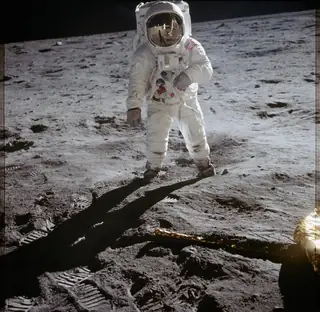
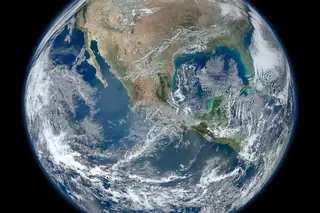
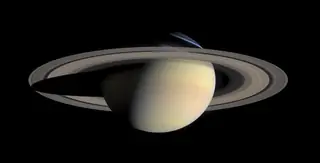
These three calculators and the travel-time pages answer some of the most common questions about space in numbers rather than headlines. How much would you weigh on Mars? How old would you be on Jupiter? How long would it take light to cross the solar system? Each page is built from published data and says where the numbers came from.
You don't need to sign up or install anything. Type a number and the answer updates as you type. The tables under each calculator show the same results for the standard cases, so you can read them without typing at all.
Where the numbers come from
Gravity, orbital periods and distances are read from the NASA Planetary Fact Sheet. Mission dates come from NASA, ESA and other space agencies, and each page lists the source. The vehicle speeds on the travel pages are round comparison figures for a car, a jet and a spacecraft, not measurements. The speed of light is exact, as defined by the International Bureau of Weights and Measures.
How to read the answers
Many answers are ranges, because planets move. Mars is 33,926,867 miles from Earth at its closest and 249,418,396 miles at its farthest, and the time to get there changes by the same factor. The pages show both ends and say which one real spacecraft aimed for.
Weight isn't the same as mass. Your mass is the same everywhere, and the weight calculator shows what a scale would read. Ages are counted in laps around the Sun, so Mercury has several birthdays in an Earth year and Neptune has had one since its discovery.
Where to go next
If a number surprises you, there's a page that explains it. Gravity on each planet, year lengths and distances from the Sun cover the data in detail. The missions pages count the spacecraft that made these trips and say which of them failed.